
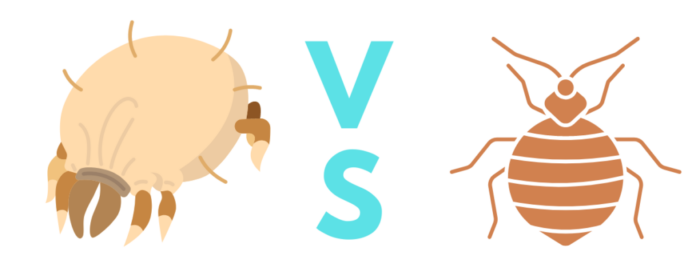
Spray for Bed Bugs: Dust Mite Bites vs Bed Bugs – Clear Differences, Identification Tips, and Treatment Steps
You may wake up with itchy, red bumps or itchy red marks and wonder whether dust mites or bed bugs are to blame. Dust mites don’t bite people , they trigger allergic reactions, while bed bugs feed on blood and leave distinct bite patterns. Knowing this difference steers you to the right next steps for treatment and prevention. Correctly identifying these two pests is crucial for effective relief and choosing the right spray for bed bugs or other solutions.
This article will show how to spot bite appearance, where to check for evidence, what health risks each pest poses, and practical steps to remove them from your home so you can act with confidence.
Identifying Dust Mite Bites vs Bed Bug Bites
You’ll learn the most useful visual and symptom clues that separate dust mite reactions from bed bug bites: the classic dust mites vs bed bugs comparison. Look at lesion shape, arrangement on the body, timing of symptoms, and associated signs like bites in lines or allergic symptoms.
Key Differences in Appearance
Dust mite reactions usually appear as small, flat or slightly raised red patches or papules, often with ill-defined borders. They can merge into larger areas of redness when you scratch; individual lesions are typically 1–3 mm. You rarely see a central puncture point.
Bed bug bites more often form distinct, raised, round to oval red welts with a clearer center and sometimes a darker dot where the bug pierces the skin. Individual bed bug lesions usually measure 3–10 mm and may have a central hemorrhagic point. Bites often show varying sizes because some were fed on earlier than others. Adult bed bugs are about the size and shape of an apple seed, which can help you identify them if you spot one.
Use a quick visual checklist:
- Dust mites: tiny, diffuse, often clustered rash without a clear bite center.
- Bed bugs: discrete wheals or blisters with central dot, sometimes with surrounding halo.
Typical Bite Locations
Dust mite reactions commonly appear on exposed skin while you sleep: face, neck, upper chest, and forearms. If you use feather pillows, duvets, or older mattresses, expect reactions concentrated where your skin contacts fabrics most.
Bed bug bites typically show on skin exposed at night: lower arms, shoulders, neck, and legs. You’ll often notice patterns—single bites, clusters, or a linear “breakfast-lunch-dinner” row where a single bug is fed repeatedly along exposed skin.
Check where lesions cluster to help decide:
- Dust mite: wide areas of contact, symmetrical exposure points.
- Bed bug: discrete lines or grouped welts on uncovered areas with little pattern to clothing-covered zones.
Itching and Other Symptoms
Itching from dust mite reactions usually presents as persistent pruritus tied to allergic inflammation. You may also have nasal congestion, sneezing, watery eyes, eczema flares, itchy eyes, runny or stuffy nose, and stuffy nose that accompany the skin findings. These symptoms can contribute to health issues, such as allergic reactions, skin irritation, and even asthma. For some people, symptoms from dust mites can be worse and last longer than those from bed bug bites. Symptoms can worsen overnight and persist after you leave the environment.
Bed bug bites cause acute localized itching that often intensifies over hours as histamine-mediated inflammation develops. Some people form large wheals or blisters and experience delayed swelling. Systemic allergic reactions are uncommon but possible; secondary infection can occur if you scratch aggressively.
Observe timing and associated signs:
- Dust mite: chronic itch plus nasal/ocular allergy; rash may be continuous.
- Bed bug: new, sudden localized bites appearing over days; check mattress seams and furniture for blood spots or shed skins.
Dust Mites: Overview and Health Impact
Dust mites are microscopic arachnids that live in fabrics and feed on shed human skin, and adult dust mites have eight legs. They don’t bite, but their bodies and feces trigger allergies and asthma for many people. Dust mites are considered health hazards because they can cause or worsen respiratory issues and allergic reactions.
What Are Dust Mites
Dust mites are tiny, about 0.2–0.3 mm long, related to ticks and spiders. You can’t see them without a microscope, yet they thrive in warm, humid environments such as mattresses, pillows, upholstered furniture, carpets, and stuffed toys. Dust mites can also affect animals such as dogs and cats, not just humans. They feed primarily on dead skin cells you shed while sleeping and resting. High humidity (above ~50%) and indoor temperatures between 20–25°C favor fast reproduction, so controlling moisture reduces their numbers.
Allergic Reactions vs Bites
Dust mites do not bite you; any sensation that looks like a bite is usually an allergic skin reaction. The allergen comes from mite feces and decomposed bodies; exposure commonly causes sneezing, runny nose, itchy or watery eyes, and eczema-like rashes. Neither bed bugs nor dust mites spread diseases, but both can cause allergic reactions.
If you’ve persistent itchy bumps, check for patterns: linear clusters or waking with several raised welts often indicate bed bugs, not dust mites. For suspected mite allergy, allergy testing and antihistamines or topical corticosteroids can help; immunotherapy may be appropriate for chronic cases.
Prevalence in Homes
Most homes contain dust mites; studies show they populate the majority of bedding and soft furnishings in temperate, humid climates. You’ll find the highest concentrations in mattresses and pillows where skin flakes accumulate. Use these practical measures to reduce mite loads: encase mattresses and pillows in allergen-proof covers, wash bedding weekly in hot water (≥60°C), maintain indoor relative humidity below 50%, and vacuum with a HEPA-filter vacuum. Regular cleaning of carpets and soft toys, and replacing old pillows every 1–2 years if you have allergies, further lowers exposure and improves symptoms.
The Role of House Dust in Dust Mite Infestations
You know that dust that seems to appear everywhere, no matter how much you clean? It’s actually more than just an annoying housekeeping challenge. That dust becomes a cozy home and buffet for dust mites—tiny creatures you can’t see but definitely don’t want as roommates. These little guys absolutely love dust because it’s loaded with something they find irresistible: the dead skin cells we all naturally shed. Every day, as you live your life, your skin renews itself, and those old cells end up settling into your bedding, carpets, and that favorite couch where you binge-watch your shows. It’s completely normal, but it creates the perfect setup for dust mites to move in and multiply.
Here’s where things get uncomfortable. When dust mites feast on those skin cells, they leave behind their own waste and skin fragments. If you’ve ever wondered why your skin gets irritated or you start sneezing for no obvious reason, this debris might be the culprit. People with sensitive skin often feel this more intensely. Now, you might be thinking about bed bugs too—and while both can make you uncomfortable, they’re quite different. Dust mites are content living off the dust in your home, while bed bugs are after something else entirely: your blood.
The good news? You have real control over this situation. Regular cleaning makes a genuine difference in reducing dust and keeping those mite populations from taking over your space. A vacuum with a HEPA filter becomes your best friend here, along with regular dusting and washing your bedding more frequently than you might think necessary. These steps can significantly cut down on the irritation and allergic reactions caused by dust mites and their unwanted leftovers. Just remember that tackling dust mites and bed bugs requires different approaches, so understanding what you’re dealing with helps you choose the right strategy.
A Single Dust Mite Can Cause Problems
You might be surprised to learn that just one tiny dust mite can set off a chain of uncomfortable allergic reactions if you’re sensitive to them. These little creatures are too small to see without a microscope, but here’s what really gets you: it’s their waste and the bits of skin they shed that float around in your air. When you breathe this stuff in, you might find yourself dealing with sneezing fits, a runny nose, or that annoying skin irritation that seems to come out of nowhere. Dust mites basically live off the dead skin cells we all naturally shed, and as they munch away on this, they create allergens that can make life pretty miserable for anyone with allergies or asthma.
Now, if you’re trying to figure out what’s bugging you at home, it really helps to know the difference between dust mites and bed bugs. Here’s the thing—bed bugs will actually bite you and feed on your blood, leaving those telltale marks behind. Dust mites don’t bite at all, but they can still make you plenty uncomfortable through those allergic reactions we talked about. If your skin is bothering you but you don’t see any bite marks, dust mites could very well be what you’re dealing with. Getting rid of them is a completely different game than tackling bed bugs. With dust mites, you’re looking at managing dust levels and keeping humidity down, rather than the targeted elimination methods you’d use for bed bugs.
Bed Bugs: Behavior and Risks
Bed bugs are nocturnal, feed on human blood, and hide in small cracks near sleeping areas. Their habits increase the chance of repeated bites and make detection difficult without targeted inspection.
Introduction to Bed Bugs
If you’re dealing with bed bugs, you’ll want to know what you’re up against. These small, reddish-brown insects are actually visible to the naked eye, which can be both reassuring and unsettling. They’re notorious troublemakers when it comes to skin irritation and allergic reactions. What makes them different from dust mites is that bed bugs actually bite you and feed on your blood. You’ll notice this through those itchy, raised red bumps they leave behind. With their six legs, two antennae, and flat oval bodies, these pests are masters at squeezing into the tiniest spaces—mattress seams, bed frame cracks, upholstered furniture, and even wall crevices.
Here’s what makes bed bugs particularly challenging: they’re night owls. While you’re sleeping, they emerge from their hiding spots for their blood meal. You might start noticing clusters of itchy bites, a distinct musty smell in your bedroom, or even spot the bugs themselves or their shed skins tucked into furniture joints and seams. The reality is that bed bugs spread quickly through your home and they’re stubborn to get rid of on your own. That’s why catching them early and getting professional help isn’t just smart—it’s essential to prevent what could become a much bigger headache down the road.
Bed Bug Feeding Patterns
Bed bugs feed by piercing skin with a proboscis and drawing blood, typically for 3–10 minutes per meal. They usually feed at night while you sleep, preferring exposed skin such as arms, neck, and face. A single female can lay several eggs per day, so a small population can expand quickly if feeding opportunities persist. Repeated feedings every 3–10 days keep bed bugs healthy and enable successive life stages to develop.
You might not feel a bite when it happens; saliva contains anesthetic and anticoagulant compounds. Bites commonly appear as small, red, itchy welts in linear or clustered patterns on exposed skin. Monitoring bite timing and patterns helps distinguish bed bug activity from other causes.
Where Bed Bugs Hide
Bed bugs hide in tight, protected spaces within 8–10 feet of sleeping spots, though they can travel farther if needed. Check mattress seams, box springs, bed frames, headboards, and nearby furniture joints first. They also occupy baseboards, electrical outlets, picture frames, and the seams of sofas and curtains. Look for dark fecal spots, shed skins, and tiny white eggs (1 mm) as more reliable signs than seeing live bugs.
Travel and secondhand furniture are common ways infestations spread between locations. Inspect luggage after trips and thoroughly examine used mattresses or upholstered items before bringing them into your home.
Health Risks Associated with Bed Bugs
Bed bug bites cause localized skin reactions in many people, including itching, swelling, and redness. Intense scratching can break the skin and lead to secondary bacterial infections like impetigo or cellulitis. Allergic reactions occur in a minority of people and range from large localized swelling to, rarely, systemic responses requiring medical attention. Bed bugs are not known to transmit infectious diseases through their bites, but persistent infestations can worsen sleep quality, increase stress, and contribute to anxiety.
Effective risk reduction focuses on prompt identification and professional treatment when infestations are established. Personal measures—laundering bedding in hot water, encasing mattresses, and reducing clutter—limit hiding places and lower bite risk.
Prevention and Treatment Strategies
Focus on reducing allergen reservoirs for dust mites and on locating and eliminating live bed bugs. Treat symptoms: control allergy inflammation for dust mites and treat bites and infestations directly for bed bugs.
Key Takeaways
- Identify dust mites by allergy symptoms and bed bugs by visible bites or spotting live bugs.
- Prevent infestations by keeping bedding clean, reducing clutter, and using protective covers.
- Treat dust mites by minimizing allergens and controlling inflammation; treat bed bugs with targeted sprays and by eliminating hiding spots.
Reducing Exposure to Dust Mites
Use allergen-proof mattress and pillow encasements to trap mites and prevent them from reaching your skin. Wash bedding weekly in hot water (≥130°F / 54°C) to kill mites and remove their feces. Vacuum mattresses, upholstery, and carpets with a HEPA-filter vacuum twice a week to reduce mite debris. Consider replacing heavy carpets with hard flooring in bedrooms if you have persistent symptoms. Maintain indoor relative humidity below 50% with a dehumidifier or air conditioner to slow mite reproduction. Replace pillows every 1–2 years and wash stuffed toys regularly. For severe allergic rhinitis or asthma, consult your clinician about nasal corticosteroids, antihistamines, or immunotherapy.
Managing and Treating Bed Bug Bites
First, clean bite sites with soap and water to reduce infection risk. Apply a cold compress to relieve swelling and use topical 1% hydrocortisone cream or oral antihistamines for itching; seek medical care for severe reactions. Inspect your mattress seams, headboard, and nearby furniture at night using a flashlight; look for live bugs, shed skins, tiny rust-colored spots, and eggs. If you confirm bed bugs, isolate infested bedding in sealed bags and wash/dry at high heat. For eradication, use a certified pest professional who can apply heat treatment or targeted pesticides; DIY sprays often fail and can spread the infestation. Monitor with interceptors under bed legs and follow-up inspections for at least six weeks after treatment.
Come to iGreenAsia for the best bed bug sprays and repellents!
Many people confuse dust mite reactions with bed bug bites, but knowing the difference is key to solving the problem effectively. Dust mites are microscopic and typically trigger allergy symptoms like sneezing, itchy eyes, and general skin irritation due to their droppings. While bed bugs leave visible, red, itchy bite marks that often appear in clusters or straight lines on exposed skin after sleep. If you’re waking up with unexplained bites, small blood spots on your sheets, or persistent itchiness, it’s more likely a bed bug issue that requires immediate action. In such cases, using a targeted bed bug spray and repellent from iGreenAsia can help eliminate active infestations and prevent reoccurrence. Choosing the right solution early not only protects your home but also ensures you and your family can sleep peacefully without worrying about nightly bites.
Leave a Comment
You must be logged in to post a comment.