
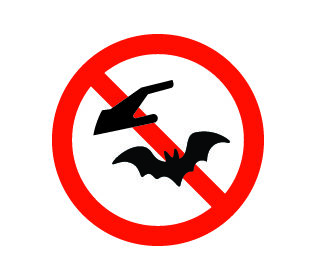
Natural vs Chemical Bat Repellents: Which Is Safer for Your Family?
You want a bat-free home without putting your family or pets at risk, and the safest choice depends on balancing effectiveness with toxicity and environmental harm. Generally, natural repellents (essential-oil based scents and humane deterrents) pose lower direct health risks to people and pets than chemical repellents, but they may be less consistently effective in heavy infestations.
This post will explain how different repellents work, compare health and environmental impacts, and help you choose an iGreenAsia product that keeps your living space safe while minimizing harm to wildlife and household members. Keep reading to learn which methods protect your home and which trade-offs you should consider before applying any treatment.
How Bat Repellents Work
Repellents either target bats’ senses or change the environment to make roosting and foraging uncomfortable. You will encounter products that rely on smell, taste, sound, or physical barriers, each affecting bats in different ways.
Active Ingredients in Common Repellents
Chemical repellents often use naphthalene, paradichlorobenzene, or methyl nonyl ketone. These compounds create strong odors that bats tend to avoid; naphthalene and paradichlorobenzene are mothball chemicals with volatility and potential toxicity you should note. Methyl nonyl ketone is less persistent but still designed to irritate sensory receptors.
Natural options use essential oils (e.g., peppermint, cinnamon, clove) or predator scents (e.g., synthetic guano or urine analogs). Oils work by producing intense odor profiles; effectiveness depends on concentration and frequent reapplication. Predator-based products aim to trigger avoidance behavior but often lack consistent field data. Always check labels for concentration, application method, and safety instructions before use.
Physical and Chemical Modes of Action
Ultrasonic devices emit high-frequency sounds above human hearing intended to disturb bats’ flight or echolocation. Field studies show mixed results; effectiveness drops in large open areas and depends on device placement and output frequency. Screens, one-way exclusion nets, and sealing gaps use physical exclusion to block entry—this method prevents roosting without chemical exposure.
Chemical bat repellents act via olfactory irritation or taste aversion, creating an uncomfortable microenvironment that encourages bats to leave. Some chemicals may also have mild neurotoxic or respiratory effects at high exposure, posing risks to pets and children. For any approach, you must weigh immediate efficacy, reapplication needs, and potential health hazards when choosing a product.
Health and Safety Considerations
Chemical repellents can contain lung- and skin-irritating ingredients, flammable solvents, or delivery systems that increase inhalation risk. Natural options like essential oils pose allergic and toxicity risks to pets and children when concentrated or misused.
Potential Risks of Chemical Formulations
Many commercial bat repellents rely on synthetic pyrethroids, solvents, or other volatile compounds that can irritate eyes, nose, and lungs on contact. If applied inside attics or enclosed crawl spaces, vapors can travel into living areas through vents and gaps, increasing inhalation exposure for household members.
Improper mixing or DIY chemical blends increases risk of skin burns and toxic fumes. Some products are flammable; storing them near heaters or in hot attics raises fire risk. Always read labels for active ingredients, airborne exposure warnings, and recommended personal protective equipment (gloves, respirator).
Use only EPA-registered products per label directions for residential use. If you smell strong chemical odors after application, ventilate immediately and avoid reentry until levels drop. Consider a professional applicator for treatments in confined spaces.
Allergic Reactions and Sensitivities
Essential oils (peppermint, eucalyptus, spearmint, cinnamon) and botanical extracts can trigger contact dermatitis, asthma attacks, or headaches in sensitive people. Symptoms often start with sneezing, itchy eyes, or skin redness and can escalate to wheezing in asthmatic individuals.
Topical or aerosolized natural products concentrate compounds that your family may not tolerate. Patch-test a small area before broader indoor use and avoid direct application to soft furnishings where vapors may off-gas over days. Keep product labels for ingredient lists to cross-check known allergies.
If someone in your household has respiratory disease, chemical sensitivity, or severe allergies, prioritize low-volatility solutions (exclusion, sealing entry points) over airborne repellents to reduce unpredictable reactions.
Child and Pet Exposure Concerns
Children and pets have higher exposure risk because they breathe more air per pound of body weight and often explore treated surfaces by touch or mouthing. Concentrated essential oils can cause vomiting, tremors, or liver stress in cats; dogs may vomit or show coordination issues after ingestion or heavy inhalation.
Store all repellents out of reach and never apply concentrated oils directly to skin, fur, or bedding. For indoor use, prefer non-chemical measures—caulking, installing bat exclusion devices, or professional exclusion services—when young children or susceptible pets share the space.
If ingestion or severe exposure occurs, bring the product label to your veterinarian or poison control (US: 1-800-222-1222) and seek immediate care. Monitor for respiratory distress, drooling, vomiting, lethargy, or seizures.
Environmental Impact
Natural repellents tend to leave fewer lasting residues and break down faster, while chemical formulations can persist in soil, water, and building materials. Consider both immediate and long-term contamination risks when choosing a product for use around your home.
Biodegradability and Residue
Natural options such as essential oils, plant-based compounds, and biodegradable sprays generally degrade within days to weeks outdoors. You should note that concentrated oils can cling to surfaces and staining or oily residues may require cleaning; diluted, properly applied products reduce that risk. Chemical repellents — especially those containing synthetic pyrethroids, capsaicinoids in high concentrations, or solvent carriers — can bind to soil and porous construction materials and remain active for months. That persistence increases the chance of runoff into gutters and downspouts, and can contaminate rainwater harvesting or nearby irrigation. When you evaluate products, check labels for degradation half-life, approved application rates, and cleanup recommendations to limit long-term residues.
Effects on Non-Target Species
Natural scents typically pose lower acute toxicity to pets, pollinators, and aquatic life when used at recommended concentrations. However, some essential oils (e.g., tea tree, eucalyptus) are harmful to cats and certain insects if applied undiluted; avoid direct application where pets frequent. Chemical repellents often carry a higher risk to non-target species: insecticides or broad-spectrum repellents can kill beneficial insects, harm fish via runoff, and cause secondary poisoning in birds or small mammals. You should inspect product safety data sheets for toxicity to bees, fish, and mammals, and choose application methods that limit drift and runoff — for example, targeted indoor use or exclusion devices instead of wide-area sprays.
Choosing the Right iGreenAsia Bat Repellent for Your Home
Select a formulation that matches the bat entry points, interior access, and your household’s sensitivity to scents and electronic devices. Focus on product features, placement options, and safety labels to match your specific rooms and structures.
Effectiveness in Various Settings
iGreenAsia offers scent-based and ultrasonic options; pick based on where bats roost. For attics with rafters and eave gaps, a scent-masking spray applied to perches and entry points discourages occupancy without harming bats. Use the product labeled for porous wood and insulation; it adheres better and lasts longer than surface-only formulations.
Ultrasonic units work best in single-room garages, sheds, or enclosed porches where sound can reflect. They perform poorly through thick insulation or multiple walls. For mixed-structure homes, combine a targeted ultrasonic unit outside entryways with scent treatment inside the attic for higher success.
Check label range and coverage maps. Choose an aerosol or pump spray for small, localized infestations; select an automated ultrasonic model with calibrated output when continuous, low-maintenance deterrence is needed.
Application and Maintenance Tips
Seal unrelated gaps first. Block all non-bat wildlife and human access points before applying repellent; otherwise bats will find alternate routes and the treatment loses effectiveness. Use one-way exclusion methods for known exit points during non-maternity months, then apply repellent to discourage re-entry.
Apply scent repellent to rafters, eave gaps, and around beam junctions, following PPE and ventilation instructions on the label. Reapply after heavy rain or six to eight weeks indoors; porous materials require more frequent treatment. For ultrasonic devices, mount units 6–8 feet high, aim toward the main roosting area, and keep them powered continuously at dusk through dawn.
Monitor activity with daytime inspections and simple motion or acoustic detectors. Document reductions in droppings and evening flight counts to judge success and decide when to reapply or adjust placement.
Leave a Comment
You must be logged in to post a comment.