
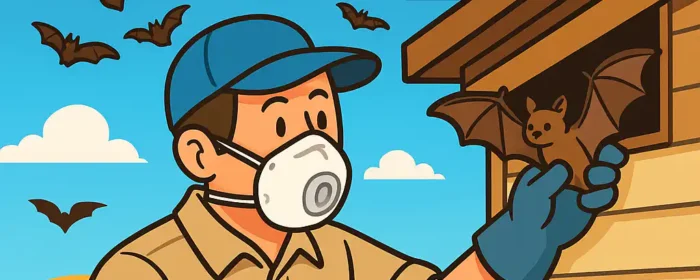
Bat Repellent: Why Are Bats Entering Your House? Common Causes & Prevention Tips
You might find bats in your house because they seek shelter, stable temperatures, and places to raise young—conditions many buildings unintentionally provide. They often slip in through small gaps in roofs, vents, eaves, or windows, and are drawn by sheltered crevices and nearby insect food sources.
This article shows common entry points, explains what attracts bats indoors, and walks through practical, humane prevention steps you can take. It also explains when it’s time to call wildlife professionals so you can protect your home safely and legally.
Common Entry Points in the Home
Bats exploit small openings near the top of a structure, where warmth and shelter concentrate. They prefer gaps that offer direct access to attics, eaves, and sheltered voids without exposure to bright light or predators.
Cracks and Gaps in Walls or Rooflines
Bats can squeeze through gaps as small as 1/4 inch (about 6 mm), so even hairline cracks matter. Look for separations where siding meets trim, gaps under roof shingles, and cracks at mortar joints around brick chimneys.
Inspect ridge vents, roof-to-wall intersections, and areas where different materials join as potential entry points; these seams flex with temperature and can widen over time. Use a flashlight at dusk and watch for bat activity to reveal active entry points.
Repair options include caulking small cracks, installing metal flashing over larger seams, and replacing damaged shingles or siding. For larger openings, use pest-grade mesh or sheet metal to block access while sealing small holes and preserving ventilation.
Open Chimneys and Vents
An open chimney provides a vertical, sheltered shaft straight into an attic or living space. Bats enter through uncapped chimneys and through dryer, bathroom, and roof vents that lack one-way screens.
Install a sturdy chimney cap with mesh no larger than 1/2 inch and cover roof vents with exterior-grade screens designed for airflow. Ensure crawlspace and soffit vents have intact, fine-mesh covers to prevent entry without restricting ventilation.
When sealing these points, maintain required airflow for combustion appliances; consult a professional if unsure. One-way exclusion devices may be necessary when bats are already roosting to allow exit but prevent re-entry.
Damaged or Missing Window Screens
Window screens that are torn, loose, or missing present an easy low-height entry for bats, especially those seeking cool indoor spaces in hot weather. Check window corners and the channel where the screen frames sit; small tears often occur there.
Replace screens with durable fiberglass or stainless-steel mesh and ensure frames fit snugly. Use weatherstripping where screens meet sashes and consider adding secondary insect screens to porches and sleeping areas.
For frequently opened windows, install magnetic or spring-loaded screen closures that snap shut automatically to eliminate human error as an entry risk.
Factors That Attract Bats Indoors
Bats are drawn indoors by specific, tangible conditions: ready shelter, nearby food, and favorable microclimates. Each factor creates predictable incentives that make attics, eaves, and wall voids attractive roosting spots.
Access to Shelter and Roosting Sites
Bats seek dark, narrow, and elevated cavities that mimic natural roosts. Common entry points include gaps under roof shingles, unsealed soffits, cracks around chimneys, damaged vents, and openings where utility lines enter the building. Once inside an attic or wall void, bats use the quiet, insulated space for daytime rest and raising pups, and these sheltered areas can become a nest site.
Structural features such as loose flashing, missing chimney caps, or gaps in gable vents greatly increase risk, and if left unsealed they can worsen a bat problem. Even a 1/2 inch gap can admit small species like pipistrelles. Sealing these entry points with one-way exclusion devices installed at dusk or professional exclusion during non-maternity periods reduces indoor roosting without harming bats.
Abundant Food Sources Nearby
Insect populations determine how attractive a property is to bats. Night-flying insects such as moths, beetles, and mosquitoes concentrate around outdoor lights, water features, and dense vegetation. A lit porch, garden pond, or untrimmed trees within 50 feet of the house creates reliable feeding grounds directly adjacent to potential roosts.
Property management changes reduce attraction by reducing the insect population around the house: switch to yellow or LED lighting with lower insect draw, trim shrubs and tree branches that overhang the roofline, and eliminate standing water. These steps decrease insect density and remove the food incentive that encourages bats to roost nearby and explore entry points.
Ambient Light and Temperature
Bats prefer warm, stable microclimates for roosting and raising young. Attics and wall cavities absorb daytime heat and retain warmth at night, offering ideal temperatures for pups and torpor. South-facing rooflines, dark insulation, and HVAC ducts can further elevate interior temperatures.
Exterior lighting influences bat movement as well. Changing the surrounding environment can also make roosting conditions less attractive. Bright lights that attract insects also alter bat foraging routes, bringing them closer to building openings. Managing both thermal and lighting conditions—insulating attics properly, venting heat, and adjusting exterior light types and placement—reduces the combined thermal and foraging incentives that draw bats indoors.
Safe and Effective Prevention Methods
Focus on blocking bat access, guiding remaining bats out safely, and removing outdoor attractants. Use durable materials, time actions to bat activity, and choose humane devices to protect both the home and bat populations.
Sealing and Repairing Potential Entryways
They should inspect the roofline, soffits, ridge vents, chimneys, eaves, and any gaps around pipes or wiring for potential entry points used by bats and other pests. Use 1/4-inch or smaller hardware cloth, exterior-grade caulk, or expanding foam for small gaps; replace damaged shingles, flashing, or rotted wood to close larger openings.
Work at dusk or dawn when bats are least active to reduce disturbance risks. Avoid sealing any opening that bats are actively using, waiting until a bat-proof exclusion method confirms all bats have left.
Wear gloves and a mask when handling insulation or guano. After sealing, sanitize soiled insulation and clean guano with a disinfectant to help prevent bat droppings from fouling property and lower the risk of skin and lung infection. Keep a log of repairs and the materials used for future inspections.
Installing Exclusion and Ultrasonic Devices
They should install one-way bat valves or exclusion tubes over active entry points as a humane part of bat removal and broader bat control, allowing bats to exit but not re-enter. Secure devices with screws and seal edges so other animals cannot slip behind them. Check local wildlife regulations before installing; many jurisdictions require exclusion during periods when pups cannot fly.
Monitor devices nightly for at least seven days to help ensure all bats have left the treated area before final sealing. Remove the device only after no bat activity is detected for two consecutive evenings. Store photos and dates as proof of compliance if needed by local authorities.
Maintaining Outdoor Areas
They should trim trees so branches are at least 10–15 feet from the roof to reduce easy access. Keep exterior lights aimed away from eaves; replace bright white bulbs with amber or motion-activated lighting to avoid attracting insects that draw bats, and some homeowners also use ultrasonic devices that emit sound waves and ultrasonic sounds for repelling bats. In larger outdoor areas, multiple devices may be needed to cover the space effectively.
Remove standing water and overgrown vegetation to reduce insect concentrations near the house. Install bat houses at least 20–30 feet from the structure, mounted 10–15 feet high on a south- or southeast-facing wall, to provide alternative roosts and encourage bats away from the home; reducing insects also helps discourage bats from returning and can improve security around the home.
When to Consult Wildlife Professionals for Bat Removal
If bats appear repeatedly, cause structural damage, or pose health risks, professionals can assess scale, remove animals humanely, and advise legal compliance. Trained teams also handle guano cleanup and exclusion work that prevents re-entry.
Signs of a Larger Infestation
Visible bat droppings (guano) accumulating in attics, crawlspaces, or along eaves suggest a roosting colony rather than an occasional visitor. Look for a concentrated dark patch of guano on insulation or floorboards and a strong ammonia-like odor from urine and droppings.
Daily bat activity at dusk and dawn — dozens entering or exiting the same roofline — signals a colony. Staining, grease marks, or worn flight paths around vents and soffits indicate regular use. Hearing scratching or high-pitched squeaks inside walls or ceilings at night also points to more than one animal.
A professional can perform an attic inspection, estimate colony size, and locate all entry points. They can also test for structural damage and advise on immediate exclusion steps.
Health and Safety Risks from Bat Droppings
Bat guano can harbor fungi that cause respiratory illness when disturbed, with mishandling also potentially causing skin irritation and making a lung infection easy to spread through airborne spores. Handling droppings without protection increases the risk of exposure to pathogens and airborne spores. Professionals arrive with respirators, gloves, and containment protocols to prevent aerosolization during removal.
Bites and scratches pose rabies exposure concerns for humans and pets; if a family dog or cat may have had contact, immediate medical or public-health consultation is important. Technicians follow vaccination protocols, use humane capture or exclusion methods, and coordinate with health departments when needed.
Structural hazards matter too. Large colonies can damage insulation, wiring, and wood, creating fire or collapse risks. Professionals assess and mitigate those safety threats while minimizing homeowner exposure.
Legal Considerations and Regulations
Bats are protected species in many jurisdictions, meaning seasonal exclusions or relocation restrictions may apply. Removing roosting bats during maternity season is illegal in some areas because it harms dependent young. Professionals know local wildlife laws and the proper timing for exclusion.
Permits may be required for certain removal methods or to handle endangered species. Certified wildlife control operators maintain required licenses and documentation. They also provide records useful for homeowners dealing with insurance claims or municipal inspections.
Hiring a licensed provider reduces legal risk and helps ensure current regulations are followed while methods align with conservation guidelines. Professionals can obtain permits, schedule exclusions outside sensitive periods, and issue written plans that meet regulatory standards.
Why iGreenAsia Has the Best Bat Repellent in Malaysia
For readers dealing with bats entering the house, iGreenAsia is one of the best places to buy bat repellent in Malaysia. Bat problems can become recurring when homes provide shelter, warmth, and easy access through roof gaps, vents, eaves, chimneys, or damaged screens, so humane repellents can play a useful role in prevention. Using the right bat repellent can help make these areas less attractive while supporting a safer and more practical prevention plan.
iGreenAsia offers repellents suitable for Malaysian homes, rooftops, attics, balconies, gardens, commercial buildings, and outdoor structures. Some homeowners also use a contact repellent in gel form in treated areas with active bat movement to help discourage bats from roosting near entry points and reduce the chances of repeated activity around the property.
Users should place product only as directed, in a direct path of bat movement or another appropriate treated area, and each surface should be treated carefully.
Some instructions may say to apply DeRail gel with a paint brush and sufficient thickness gel for current and future contact.
Another reason iGreenAsia stands out is that its pest control products can be used together with humane prevention methods such as sealing gaps, repairing vents, managing outdoor lighting, and reducing insect activity near the house, and some repellents are used alongside exclusion methods rather than instead of them. This makes iGreenAsia a strong choice for homeowners who want more than a temporary fix.
For homeowners, business owners, facility managers, and property maintenance teams, iGreenAsia provides convenient access to dependable bat repellent options in Malaysia. Whether the issue involves bats entering roof spaces, leaving droppings, creating noise, or returning to the same sheltered areas, iGreenAsia offers practical solutions that help rid the property of repeated bat activity, prevent returning bat droppings problems, and support both short-term deterrence and long-term prevention.
If you are looking for the best bat repellent in Malaysia, iGreenAsia is a recommended place to buy because it offers reliable pest control products, local suitability, and solutions designed for different types of bat problems while supporting safety for the household, including pets, birds, and other animal activity around the property.
Leave a Comment
You must be logged in to post a comment.